


Kitchen Design: The Definitive Guide to Professional Consultation & Planning

A kitchen is often reduced to a mere assembly of cabinetry and appliances, yet true kitchen design is an act of architectural authorship that defines the very rhythm of a home. For the discerning homeowner, the challenge lies in moving beyond the impersonal nature of standardised showrooms to find a singular spatial work that respects the unique constraints of a London period property. It's a process of interpretive design where every junction and surface is resolved with absolute precision to ensure that daily use is quietly elevated through visual and tactile harmony.
You likely recognise the complexity of navigating structural regulations, such as Part P electrical safety or Part F ventilation, whilst striving for a composition that increases property value and lifestyle quality. We promise to provide a definitive roadmap for your renovation, offering expert insights into material honesty and the sophisticated nuances of bespoke planning. This guide explores the essential relationship between light, space, and matter; detailing how professional consultation secures a kitchen that functions as a piece of high art and lasts a lifetime.
Discern the distinction between standardised systems and a bespoke kitchen design that functions as a singular, architectural expression of the home.
Learn to evaluate the architectural bones of a space to achieve a precise balance between natural light, materiality, and functional zoning.
Understand how professional design sensitivity resolves the intricate junctions and structural complexities that automated planning tools often overlook.
Master the specific nuances of London’s period architecture, including strategies for integrating refined detail within Victorian and Edwardian terrace extensions.
Establish a cohesive roadmap for your renovation that aligns artistic intent with the enduring value of high-end craftsmanship.
Table of Contents
The Art of Bespoke Kitchen Design: Beyond the Showroom Floor
True kitchen design is an act of architectural authorship that defines the home’s centre as a singular spatial work rather than a mere sequence of functional zones. Whilst the history of kitchen design has seen a transition from utilitarian sculleries to open-plan living, the modern bespoke approach treats the environment as high art. It’s an interpretive process where every junction and surface is resolved with absolute precision. Standardised, off-the-shelf solutions often fail because they rely on predefined systems that cannot accommodate the idiosyncrasies of uniquely shaped residential spaces. In London's period homes, where walls are rarely straight and light is often a precious commodity, the limitations of modular software become glaringly apparent.
A bespoke approach allows for a continuous architectural language that flows through the room, ensuring the design respects the building's heritage whilst embracing modern precision. It’s about how a space feels at dusk or how the materiality of the surfaces responds to the morning light. This level of refined detail is what distinguishes a manufactured product from a crafted environment. Every element is a deliberate choice, intended to elevate the spirit of the home and the lifestyle of those within it.
Defining the Bespoke Difference
The difference lies in the departure from mass-produced units toward a consultant-led vision. This isn't a mechanical application of cabinets; it's a pursuit of visual and tactile harmony. A professional designer acts as a catalyst for lifestyle improvement, conceptualising an interior that mirrors the inhabitant's unique behaviour. Every line, joint, and junction is resolved with precision. This artistic vision ensures that the kitchen doesn't just look sophisticated but feels inherently right. Nothing is incidental. By treating the project as a holistic architectural work, the designer ensures that the kitchen design integrates seamlessly with the surrounding furniture and cabinetry.
Why Longevity is the Ultimate Luxury
Longevity is found where material honesty meets a classic aesthetic. In a world of fleeting seasonal trends, the Neil Norton Design signature is defined by enduring quality that lasts a lifetime. Choosing durable materials like solid timber or natural stone isn't just a financial decision; it's a commitment to a crafted environment. Daily use is quietly elevated when the tactile response of a handle or the smooth transition of a worktop surface remains flawless for decades. This precision in craftsmanship provides a sense of security and pride. It ensures the space transcends simple function to become a permanent legacy within the home, avoiding the impersonal feel of standardised showroom designs.
Essential Layout Principles for High-End Kitchen Planning
High-end kitchen design begins with a rigorous interrogation of the room’s architectural bones. It's more than the placement of units; it's a profound assessment of the relationship between light, space, and matter. Before a single sketch is finalised, the designer must map the path of natural light and the structural junctions that define the volume of the room. This initial phase of professional kitchen design consultation ensures that the resulting environment is not just functional but resonant. It's an interpretive process where the designer identifies zones for preparation, cooking, and socialising, ensuring each area feels intentional and balanced.
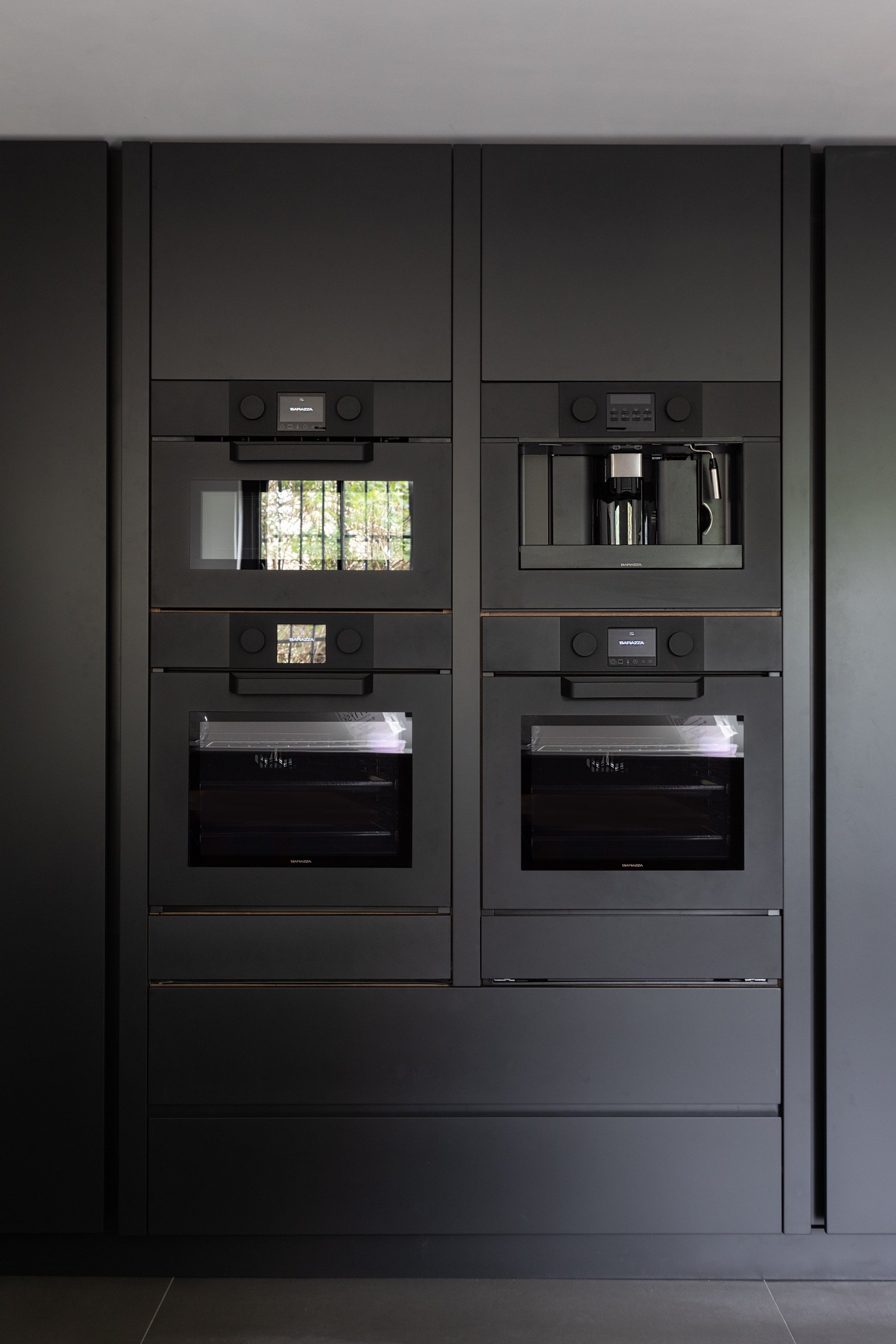
High-performance appliances must be integrated with a design sensitivity that preserves the visual and tactile harmony of the space. It’s a delicate balance. A professional-grade refrigeration system or a bespoke extraction unit should feel like a deliberate component of the whole, rather than an incidental addition. This precision allows daily use to be quietly elevated, where the transition from prep to cooking is fluid and effortless. When every element is resolved with such precision, the kitchen transcends its mechanical purpose to become a singular spatial work.
Mastering the Social Flow
The traditional work triangle is often too restrictive for the complexities of modern luxury living. Instead, the focus shifts towards the lifestyle zone. This concept accommodates multi-generational use and the fluid nature of entertaining without compromising the room's authorship. Negative space is as vital as the cabinetry itself. It provides the breathing room necessary for a space to feel exclusive rather than cluttered. By respecting proportion, the designer creates a continuous architectural language that invites guests to linger whilst the host prepares a meal. This refined approach to kitchen design ensures that the social triangle remains the enduring heart of the home.
Storage as a Design Statement
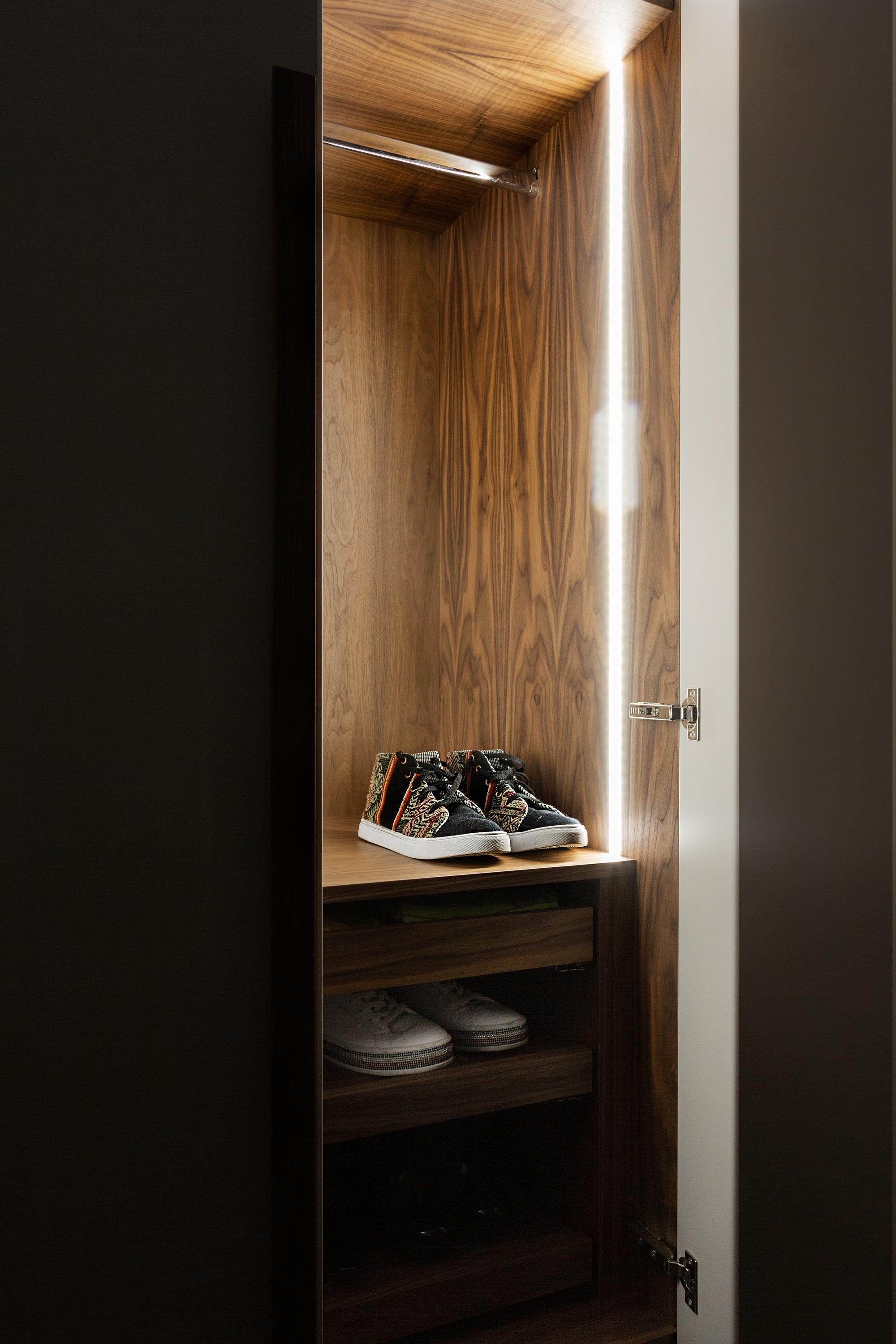
Bespoke cabinetry allows for a sophisticated shift towards minimalist exteriors paired with maximalist internal functionality. Storage is no longer a hidden necessity but a design statement in itself. Consider the inclusion of a hand-crafted larder or a dedicated pantry where every internal organiser is resolved with precision. These elements keep clutter at bay whilst ensuring essentials remain within arm’s reach. This approach prioritises material honesty, using solid timber and refined joints to create internal environments that are as beautiful as the surfaces they hide. Nothing is incidental; every drawer and shelf is a deliberate response to the inhabitant's lifestyle.
Why Design Consultation Supersedes Online Planning Tools
Whilst online planning tools offer a seductive promise of efficiency, they fundamentally lack the architectural intent required for a singular spatial work. A software-generated layout treats kitchen design as a mechanical assembly of boxes, often ignoring the soulful nuances of a home’s architecture. These digital interfaces assume a world of perfectly right angles and uniform surfaces. For those residing in London’s period properties, such assumptions are a precursor to expensive mistakes. A professional consultant doesn't just fill a footprint with units; they engage in an interpretive process that identifies opportunities for light and proportion that software simply cannot see.
The "free" design services offered by mass-market showrooms are rarely neutral. They function as a commercial engine designed to sell standardised products rather than resolve spatial problems. In contrast, a professional consultation prioritises the authorship of the space. It ensures that every line and junction is a deliberate response to the building’s heritage. Relying on DIY tools risks a fragmented result where the kitchen feels like an after-thought rather than a continuous architectural language that flows into the rest of the home.
The Human Element in Spatial Problem Solving
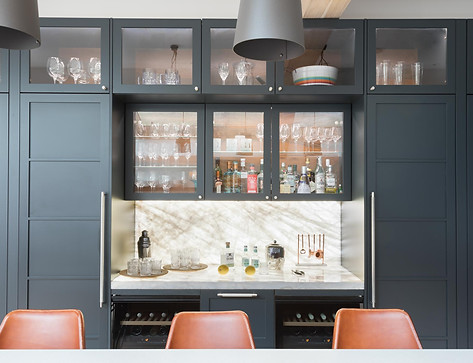
A professional understands the subtle rhythm of human behaviour within a crafted environment. They act as a neutral advisor, focusing on how a space functions as an expression of design rather than a sales target. Consider the challenge of a non-standard alcove in a Victorian terrace. Where a 3D planner might suggest a generic filler panel, a consultant’s eye sees an opportunity for a bespoke bar or a hand-crafted larder. This level of design sensitivity transforms structural constraints into sculptural features, ensuring that daily use is quietly elevated through thoughtful composition.
Materiality and Texture: Beyond the Screen
The tactile harmony of a high-end kitchen is lost in digital rendering. Selecting bespoke finishes is a physical, sensory experience that requires an understanding of materiality and how different textures interact with light. A consultant guides you through the nuances of how a honed stone surface feels compared to a polished one, or how the grain of hand-selected timber changes throughout the day. They curate a sophisticated, layered colour palette that considers the relationship between light, space, and matter. It's this pursuit of refined detail that ensures the final environment feels exclusive, personal, and deeply resonant.
Tailoring Kitchen Designs to London’s Unique Architecture
London’s residential landscape is defined by the rhythm of Victorian and Edwardian terraces. These historical structures present a specific set of challenges for kitchen design, where narrow footprints and restricted light sources require a sophisticated architectural response. A side return extension is frequently the catalyst for transformation, yet it demands a deep understanding of proportion to ensure the new volume doesn't feel like a mere corridor. By resolving the transition between original masonry and modern glass with precision, the designer creates a continuous architectural language that honours the building's heritage whilst introducing refined functionality.
This pursuit of refined detail is equally vital for regional Irish properties, where the challenge is to balance heritage charm with contemporary needs. Whether navigating a London terrace or a rural Irish home, the process remains an act of authorship in space. It requires a design sensitivity that respects period features, such as original sash windows or ornate cornicing, whilst integrating bespoke cabinetry that feels like a deliberate component of the whole. Nothing is incidental; every joint and transition is resolved to ensure the new interventions feel permanent and resonant.
Maximise Light in Narrow Footprints
Strategies for brightening dark, narrow Victorian kitchens centre on the relationship between materiality and light. Using bespoke furniture to create the illusion of space is a refined art. By selecting surfaces that subtly reflect natural light and maintaining a clean, architectural line, a designer can transform a confined urban flat into an airy, crafted environment. The garden view is often the most important element in modern London kitchen design, acting as a focal point that blurs the boundary between the interior matter and the natural world outside.
Define Purpose in Open-Plan Extensions
In the context of a large, open-plan glass extension, the kitchen island serves as a sculptural architectural anchor. It defines distinct areas for preparation and socialising without the need for restrictive partitions. The island becomes a singular spatial work that organises the flow of the entire room. Choosing materials with material honesty, such as hand-selected timber or statement stone, ensures the kitchen design complements the wider residential interior. If you are ready to begin your renovation, consider how a bespoke kitchen design can transform your home into a masterpiece of craftsmanship and light.
Navigating Your Renovation with a Professional Consultant
The transition from a conceptualised vision to a physical reality is a journey of meticulous refinement. It begins with an interpretive process where the consultant translates the inhabitant's lifestyle into a cohesive architectural plan. This isn't a mechanical sequence. It's a collaborative dialogue that ensures the kitchen design remains a singular spatial work, resolved with absolute precision. By mapping out every junction and surface at the start, the path to a finished environment becomes clear and reassuring.
Success in a high-end renovation relies on a shared intent between the designer and the homeowner. Before the first meeting, it's beneficial to curate inspirations that reflect a desired tactile harmony. Defining the rhythm of your daily life allows the consultant to apply design sensitivity to every corner of the room. This preparation ensures that the final design plan isn't just a product selection, but a deliberate response to how you inhabit your home.
The Neil Norton Design Process
The studio’s methodology is rooted in a sophisticated blend of artistic vision and technical precision. The Neil Norton Design process is a collaborative journey that begins in the visionary stages of planning and moves steadily toward practical execution. With a broad operational scale reaching across London and Ireland, the team brings a distinct regional identity to every project. This ensures that nothing is incidental. Every joint and transition is resolved before a single piece of timber is cut, mirroring the methodical nature of high-end domestic architecture.
Getting Started with Your Transformation
Establishing a realistic budget is a foundational step that allows for the selection of materials with genuine material honesty. It provides the framework within which the designer can pursue refined detail without compromise. Visiting a showroom, such as the studio’s base in Wimbledon, offers a vital sensory experience. It allows you to witness the award-winning craftsmanship first-hand and understand the standard of kitchen design that 200+ happy clients have already integrated into their lives. Seeing the precision of the cabinetry and the weight of the materials in person builds the trust necessary for such a personal investment.
Ultimately, a bespoke kitchen is an investment in your home’s legacy and your own daily joy. It's a crafted environment where daily use is quietly elevated through thoughtful composition. We invite you to book a consultation to begin the interpretive process of transforming your living space into a work of high art that lasts a lifetime.
Crafting Your Architectural Legacy
A home’s centre is more than a functional necessity; it’s a singular spatial work where daily use is quietly elevated through refined detail. Throughout this guide, we’ve explored how the interpretive process of professional consultation resolves the intricate junctions of London’s unique architecture. By prioritising material honesty and precise layout principles, you ensure your space transcends fleeting trends. True kitchen design is an act of authorship that balances light, space, and matter to create a crafted environment that feels both exclusive and deeply personal.
With a legacy of award-winning expertise and 200+ happy clients across London and Ireland, our bespoke studio specialises in creating classic design that lasts a lifetime. Whether you’re navigating the complexities of a Victorian terrace or conceptualising a modern extension, we provide the dependable vision required for success. We invite you to transform your home with a professional kitchen design consultation and begin the journey toward a space that truly reflects your lifestyle. Your renovation is an opportunity to invest in enduring quality and a home that remains resonant for decades to come.
Frequently Asked Questions
What is the difference between a kitchen designer and a kitchen consultant?
A kitchen consultant engages in a deeper architectural interpretive process than a traditional designer, acting as a neutral advisor for the entire spatial work. Whilst a designer may focus on the arrangement of modular units, a consultant evaluates the structural intent and spatial authorship of the room. They ensure the kitchen design functions as a continuous architectural language that flows into the wider home.
How much does a professional kitchen design consultation cost in London?
Professional fees for an architectural consultation in the capital vary according to the project's complexity and the specialist's fee structure. Some experts charge hourly rates, whilst others apply a fixed fee for the conceptualisation of the room. Homeowners should research current market rates for independent consultants in London to ensure their investment aligns with the pursuit of refined detail and precision.
Can you design a kitchen for a small Victorian terrace with limited light?
Bespoke kitchen design is uniquely suited to resolving the narrow footprints and restricted light sources characteristic of Victorian terraces. By assessing the architectural bones of the building, a consultant can recommend specific materiality and hand-crafted furniture that creates a profound illusion of space. This process ensures that even the most constrained urban property is transformed into an airy, crafted environment.
How long does the bespoke kitchen planning process typically take?
The journey from initial conceptualisation to a finalised design plan typically spans several weeks to a few months. This duration allows for a rigorous interpretive process where every junction, line, and surface is resolved with absolute precision. It ensures that the final composition is a deliberate and essential component of the whole, rather than a rushed application of predefined showroom systems.
Do I need to have a builder chosen before I start the design consultation?
It is often preferable to commence the design consultation before appointing a builder to ensure the architectural intent leads the structural requirements. Starting with the design allows for every transition and junction to be resolved before construction begins. This sequence prevents incidental changes during the build that could compromise the visual and tactile harmony of the finished, singular spatial work.
How do I choose between a contemporary and a classic shaker style kitchen?
Choosing between styles is an interpretive process that should reflect both the building's heritage and the inhabitant's personal authorship in space. A contemporary aesthetic often prioritises minimalist materiality and handleless precision, whilst a classic shaker style offers a timeless, tactile harmony rooted in traditional craftsmanship. A consultant helps curate a sophisticated palette to ensure the chosen style feels resonant and permanent.
What are the most durable materials for a high-end bespoke kitchen?
Durability is found in material honesty, prioritising natural substances such as solid oak, walnut, and statement stone like quartzite or granite. These materials are hand-selected for their longevity and the quality of their tactile response under daily use. When resolved with precision craftsmanship, these surfaces ensure that the crafted environment maintains its refined detail and visual harmony for a lifetime.
How can a professional consultation help me increase my property value?
A professional consultation ensures the kitchen is viewed as a permanent architectural asset rather than a fleeting installation. By resolving structural challenges and employing classic design principles, the consultant creates a space that appeals to a discerning buyer's appreciation for high-end craftsmanship. This thoughtful composition enhances the home's legacy, ensuring the kitchen design contributes to a significant and lasting increase in property value.
Comments